







Search Results for: screw coffee
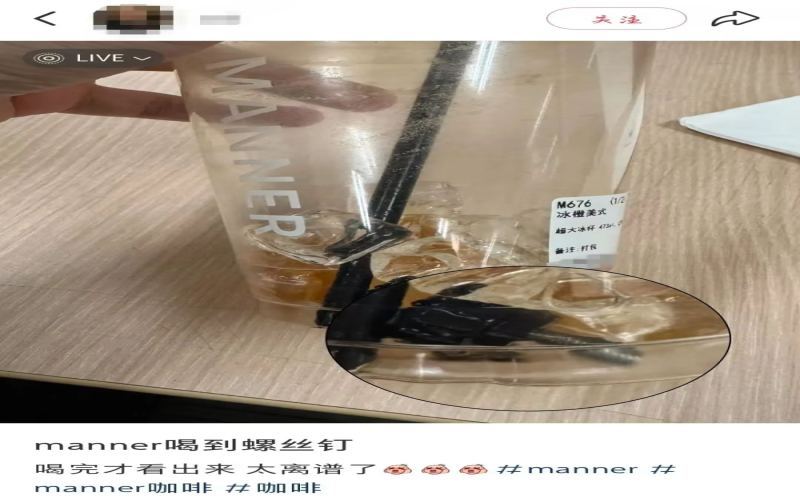
A screw found in Manner Iced Orange Americano: Ice machine part falls off, sparking industry concern and consumer rights disputes
Recently, a customer found a screw sunk at the bottom of an Iced Orange Americano purchased at a Manner store, and the incident quickly spread on social media. According to Manner employees, the screw was suspected to have come from the ice guard plate of the store's ice machine, possibly falling into the ice storage bin because it was not tightened during assembly, and eventually ending up in the drink. After the incident, the brand required all stores to check the screws on their ice machines and report with photos, while the employee involved may face dismissal and a heavy fine. Online opinion was divided over whether the consumer should complain and seek compensation: some sympathized with the worker and suggested settling privately, while others insisted that mistakes must be held accountable and that the consumer's rights protection is reasonable and lawful. As of press time, the compensation plan remains unclear, but the incident has already triggered widespread discussion about equipment management and employee responsibility at coffee shops. [more…]
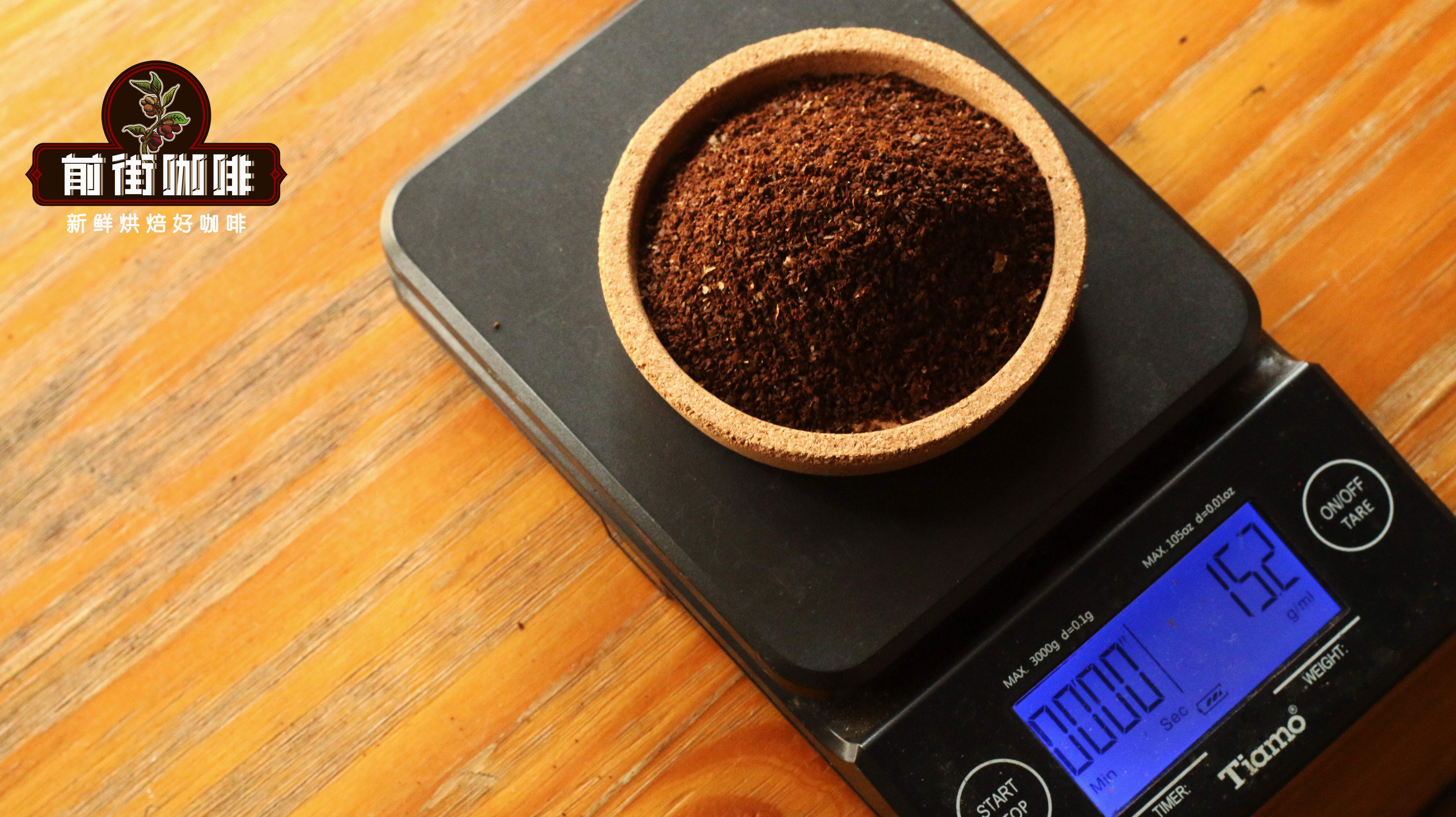
A Guide to Adjusting the Grind Size on a Manual Coffee Grinder and a Detailed Explanation of Pour-Over Coffee Brewing Parameters
Want to make a delicious pour-over at home? Controlling the grind size is often the first hurdle. Compared to expensive electric grinders, manual hand grinders have become the top choice for many enthusiasts just starting out, but how to correctly adjust their grind size parameters is something many people aren't clear about. In this article, Front Street Coffee starts with the disassembly steps of a manual hand grinder, explains one by one the relationship between the rotation direction of the adjustment screw and the grinding effect, and provides the grinding standards corresponding to different brewing methods. At the same time, combining variables such as the coffee-to-water ratio, water temperature, and extraction time, we use Panama Diamond Mountain coffee beans for a complete brewing demonstration to help readers build a replicable brewing approach. [more…]
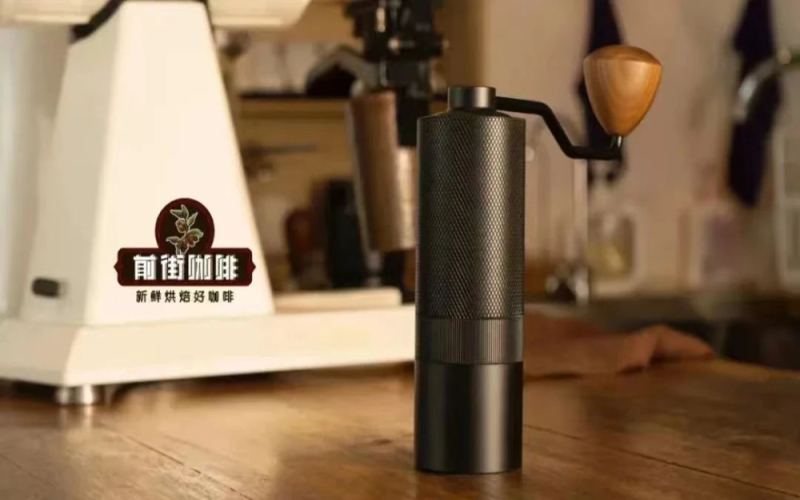
Coffee Grinder Settings Guide: Hand Grinder Disassembly and Pour-Over Grind Standards
Grind size is one of the core variables affecting coffee flavor. This article starts with the structure of a manual coffee grinder, gradually explaining how to disassemble it and adjust the grind adjustment screw, and, combined with the hands-on experience of Front Street Coffee, provides grind size standards for different brewing methods. At the same time, the article also shares a method for judging whether the grind is appropriate using a 0.80 mm standard sieve, as well as reference suggestions for pour-over parameters such as the coffee-to-water ratio, water temperature, and extraction time. Finally, using Panama Diamond Mountain coffee beans as an example, it demonstrates a complete three-stage brewing process to help readers put theory into daily practice. [more…]
How to Use a Coffee Grinder | How to Adjust the Grind Size on a Manual Coffee Bean Grinder? What Grind Size for Pour-Over, Ice Drip, Cold Brew, Siphon, Moka Pot, and American Drip Coffee?
We all know that different coffee beans require different grind sizes. When making pour-over coffee, you need to grind the coffee beans into powder first, and then brew. So every coffee shop has an electric coffee grinder, but electric grinders are also quite expensive, so many coffee enthusiasts consider manual ones. [more…]
A Detailed Guide to Manual Coffee Grinder Adjustment Methods and Pour-Over Coffee Grind Size Standards
The first step in pour-over coffee often begins with grinding, and manual coffee grinders have become the choice of many enthusiasts due to their cost-effectiveness. But how should a manual grinder be used correctly? And to what degree should the coarseness be adjusted to be appropriate? In this article, Front Street Coffee will systematically explain the structural components, adjustment steps, and operating methods of a manual coffee grinder, and share how to use a 0.80mm standard sieve to determine whether the grind size for pour-over coffee is appropriate. At the same time, it will also sort out the grind coarseness patterns corresponding to different brewing methods, as well as the effects of key parameters such as the coffee-to-water ratio, water temperature, and extraction time on flavor. Finally, using Panama Diamond Mountain coffee beans as an example, it will fully demonstrate a three-pour pour-over process to help readers master the coordination between grinding and brewing in practice. [more…]
A Complete Guide to Espresso: From Boiler Systems to Milk Frothing and Latte Art — Professional Fundamentals
Want to systematically master the underlying logic of espresso? This article provides a complete overview of the core knowledge system of espresso, from equipment principles to practical details. It first deeply analyzes the differences between four types of boiler heating systems and their impact on extraction stability, then explains one by one the selection of steam wands, the structure of grinder burrs, the matching principles of tampers, and key points for choosing latte art pitchers. In the materials section, it focuses on comparing the roasting differences between Northern and Southern Italian-style coffee beans and the logic for selecting suitable milk. Finally, it focuses on the five major variables of extraction and the six factors of milk frothing, and explains in detail the techniques for integrating coffee and milk foam. The full text balances theoretical depth with operational guidance, making it suitable for coffee enthusiasts who want to solidify their foundations to read carefully. [more…]
A Beginner's Guide to Coffee Latte Art: A Complete Guide to Choosing Equipment and Tools from Espresso Machines to Latte Art Pitchers
Wanting to learn latte art, passion alone is not enough—choosing the right equipment and tools is the first step. This article is aimed at beginner baristas and systematically sorts out the various basic equipment needed to get started with latte art: from the differences and selection points of the four boiler systems in professional Italian espresso machines (single boiler, heat exchanger, dual boiler, multi-boiler), to the classification of steam wands and steam tip types, then to grinder burr types, tamper shape matching, latte art pitcher spout shapes and groove designs, as well as the logic for choosing materials such as espresso beans and milk. It also analyzes the influence of cup shape on latte art results and gives the key parameters for adjusting machine settings, helping beginners avoid detours and laying a solid hardware foundation for subsequent latte art practice. [more…]
How Do You Use a Manual Coffee Grinder? A Full Illustrated Breakdown of the Eight-Step Process and the Key Points of Grind Size Adjustment
The manual coffee grinder is the first piece of equipment many coffee enthusiasts acquire when starting out. It is simple in structure and affordable, yet it directly determines the extraction quality of a cup of coffee. This article uses eight steps with images to explain in detail the complete method of using a manual coffee grinder, including how to unscrew the top screw, remove the nuts in sequence, adjust the grind size via the bottom nut, and reattach the clasp, add coffee beans, and turn the handle evenly. It also explains that grinding enough coffee for one cup takes about 2 to 3 minutes, helping you easily grind coffee powder suitable for different coffee pots at home and laying a solid foundation for subsequent brewing. [more…]
Hand Grinder Adjustment Tips and Grind Size Selection Guide: Uniformity, Materials, and Common Issues Explained
Manual coffee grinders are favored by many coffee enthusiasts for their portability and value for money, but how to correctly adjust the grind size settings and judge grind quality confuses quite a few people. Starting from practical use, this article explains in detail how to evaluate a grinder's condition by observing the stability of the central shaft, particle uniformity, and overall materials, and takes an in-depth look at the common problems of manual coffee grinders, such as uneven grinding, loss of aroma caused by heat, low efficiency, and wooden bases that are easily damaged. At the same time, the article also offers targeted solutions and recommends related products from Front Street Coffee to help you better choose and use a manual coffee grinder and improve your coffee-making experience. [more…]

Barista Fails 2.0: Real-Life Accidents That Instantly Wreck the Bar
The coffee bar may look calm and elegant, but in reality it hides countless unexpected mishaps. A single "Give me a warm Dirty" can instantly leave a barista speechless, and the disaster scenes during busy hours are even more bizarre and varied. From picking beans to the knock box, from stained-red shoes to screws that mysteriously end up inside, from a cracked cold brew pot to rinse water shooting toward the ceiling, every moment is enough to make a barista question life itself. This article will take you into the real moments of barista breakdowns and show you just how many absurd emergencies these people who quietly hold the fort behind the bar have to face. When something goes wrong, don’t panic—take a photo first. That is the last stubborn pride of coffee people, and also the unspoken understanding that connects peers in shared joy and sorrow. [more…]

Luckin Coffee's hygiene inspection standards spark heated debate: employees complain about strict details, how difficult is it to clean the work area?
Luckin Coffee is known for its tidy stores, but recently many employees have spoken out on social media, reporting that quality control inspection standards are overly meticulous, with strict deductions even for hard-to-reach corners such as pipes along walls and dust on chandeliers. From rusted screws on paper towel dispensers to loose threads on aprons, the tediousness of the inspection items has sparked complaints from workers, who bluntly say they are expected to "clean the prep area like an operating room." This article will sort out the focal points of the controversy over Luckin's hygiene inspections, explore whether, under existing store decoration conditions, the requirement of spotlessness is realistic, and present employees' complex attitudes toward food hygiene inspections. [more…]

A piece of black yarn found in the filling of a Chayan Yuese cookie has sparked heated discussion over consumer rights protection and after-sales disputes.
Recently, a consumer posted a video on social media claiming to have found black thread in a black garlic and meat floss sandwich biscuit purchased from Sexy Tea, sparking widespread attention. The video shows black threads resembling sewing thread mixed into the biscuit's filling layer, connecting the broken pieces together. After the poster reported the issue to customer service, the brand required the problematic biscuit to be mailed back before compensation would be provided—a solution that drew opposition from many netizens who worried about the loss of evidence. Previously, other consumers had reported finding foreign objects such as hair, insects, and even screws in Sexy Tea snacks, with after-sales handling mostly involving mailing back the product in exchange for gift packages or coupons, rarely providing financial compensation as required by regulations. As the incident continues to escalate, discussions about the reasonableness of merchants demanding the return of evidence and the protection of consumer rights are intensifying. [more…]
A Comparative Test of Six Popular Manual Coffee Grinders: Pros, Cons, and a 2022 Pour-Over Buying Guide
Hand grinders have become the top choice for many coffee enthusiasts getting started, thanks to their portability, affordable price, and the sense of involvement they bring during brewing. But with so many models on the market, how do you choose? This article tests six popular hand grinders—including the Hario Skerton, Mini Mill, Acrylic, and Canister, as well as the OE Lido 2 and Porlex JP-30—analyzing each one in terms of practicality, design, and grinding performance. The article also mentions related recommendations from the Front Street Coffee brand and compares the trade-offs with electric grinders. Whether you're carrying one for travel or upgrading your home setup, you'll be able to find an option that suits you. [more…]

A Complete Analysis of Coffee Processing Methods Worldwide: From Dry and Wet Processing to Grading and Classification
From fruit to export, coffee beans must undergo a series of meticulous processing steps, and these processes directly determine the final quality and price of the coffee. This article systematically reviews the coffee bean processing methods of major producing regions around the world: from the dry method commonly used in Brazil and Ethiopia, to the wet method widely adopted in Kenya, Colombia, and elsewhere, and then to the subsequent stages of hulling, polishing, grading, and sorting. The article introduces in detail the technical key points, equipment principles, and quality control essentials of each step, and analyzes the impact of different processing methods on coffee flavor and commercial value. It is suitable for enthusiasts who wish to gain a deeper understanding of green coffee bean processing knowledge. Front Street Coffee always pays attention to the influence of origin processes on flavor, providing coffee enthusiasts with professional bean selection references. [more…]
Bialetti Moka Pot Practical Manual: Step-by-Step Breakdown, Bean Selection Philosophy, and Full Analysis of Extraction Details
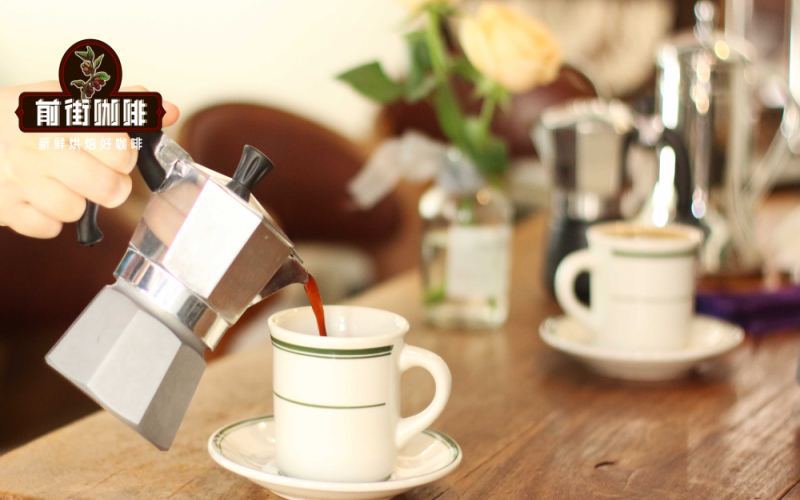
The moka pot may seem easy to use, but if you want to consistently brew a rich, delicious cup of coffee, every step matters—from adding water and filling the grounds to controlling the heat. This article uses the Bialetti moka pot as an example, first outlining the complete brewing process, then explaining key aspects one by one, including coffee bean selection, grounds quantity control, extraction time, water volume, and heat adjustment. The article also combines two products—Front Street Coffee Classic Espresso Blend and Front Street Coffee Dark Cocoa Espresso Blend—to offer bean selection advice suitable for the moka pot, helping coffee lovers make full-bodied, well-balanced moka pot coffee at home. [more…]

EU Mandatory Attached Bottle Cap Regulation Takes Effect: The Battle Between Environmental Intent and Consumer Experience
Starting in July 2024, all beverage bottle caps on containers under 3 liters within the EU must remain attached to the bottle body, as a directive dating back to 2019 aimed at reducing the environmental impact of plastic products officially takes effect. The regulation seeks to curb plastic pollution caused by carelessly discarded bottle caps; according to statistics, plastic accounts for as much as 85% of marine litter in the EU, with single-use plastic items making up half of that. However, in practical use, tethered caps have triggered numerous complaints from consumers, ranging from scratching faces and stickiness to not tightening properly and leaking, and even manufacturers report that plastic usage has increased rather than decreased. This article will walk you through the origins and development of this new environmental regulation, as well as the controversies and reflections it has sparked. [more…]

Moka Pot Coffee Bean Recommendations | How Do Coffee Beginners Brew Coffee with a Moka Pot? How to Describe the Flavor and Mouthfeel of Brewing Brazil Queen Estate Coffee Beans in a Moka Pot?
How can you extract espresso at home without an espresso machine? Quite a few friends have asked Front Street Coffee about this. Yes, there is a way! The sleek and stylish moka pot is the perfect solution. The moka pot generates pressure by heating water to a high temperature, and through the siphon principle, it draws water from the lower chamber up to the upper chamber. Because of its design, the amount of coffee brewed in a moka pot each time [more…]

Moka Pot Brewing Tutorial | Can You Use Only Half the Coffee Dose When Brewing with a Moka Pot? What Effect Does Reducing the Dose Have on the Moka Pot Brewing Process?
It's not hard to see that in almost all moka pot tutorials, we're told to fill the filter basket completely, then screw it tightly to the upper and lower chambers before brewing. In other words, whatever size moka pot you buy, you have to brew that corresponding amount each time. But some people say that sometimes they just want to drink [more…]

How to choose between a single-valve and double-valve moka pot? Beginner recommendations and a Front Street Coffee bean pairing guide
Since its invention, the moka pot has evolved from valveless to single-valve and then to double-valve designs, bringing espresso into ordinary households. The core difference between single-valve and double-valve models lies in whether the spout is equipped with a pressure valve, which directly affects extraction strength and ease of operation. For beginners new to the moka pot, the single-valve style offers high fault tolerance, simple operation, and better safety, making it a more reliable entry-level choice. This article will compare in detail the structural differences and suitable users of the two types of moka pots, share practical operating tips for single-valve moka pots, and, in light of the rich and mellow character of moka pot coffee, recommend three suitable coffee beans to pair with it: Front Street Classic Blend, Front Street Brazil Queen's Estate, and Front Street PWN Indonesia Golden Mandheling, helping coffee lovers find the moka pot approach that suits them. [more…]
A Complete Guide to Moka Pot Brewing: From Structure and Principles to Operating Details and Safety Tips
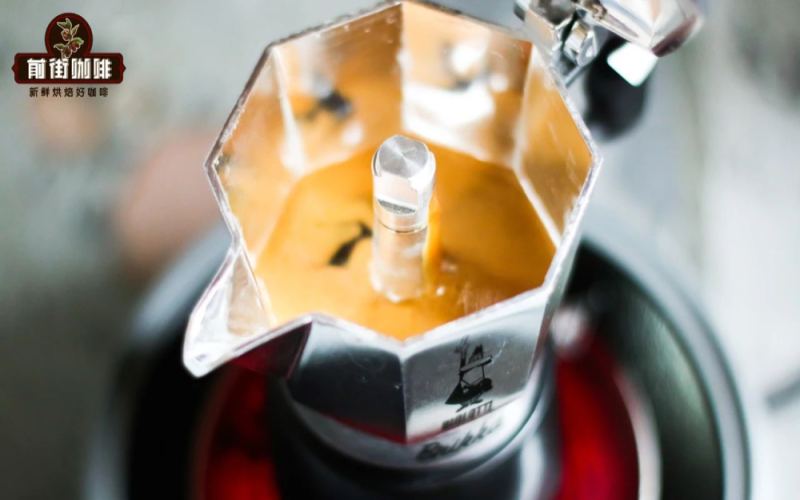
The moka pot is a common coffee device in Italian households, using pressure extraction to produce rich coffee. From the perspective of Front Street, this article systematically introduces the moka pot's structure and working principle, suitable coffee beans and grind size, specific operating steps, and key precautions in daily use. The article also particularly recommends Front Street specialty blend and classic blend coffee beans to help readers achieve ideal flavor with a moka pot. Whether you are a beginner or an advanced enthusiast, you can find practical references here. [more…]